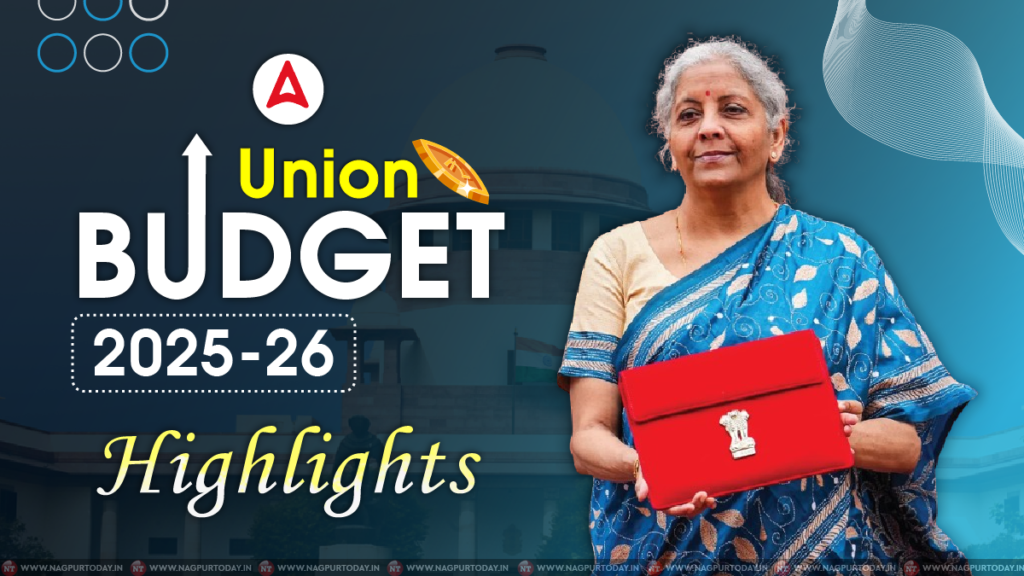

The Union Budget 2025 is one of the most closely watched budgets in recent years. With rising living costs, tax expectations, job concerns, and economic uncertainty, middle-class Indians were hoping for real relief. The budget presented by the Government of India through the Ministry of Finance aims to balance growth, fiscal discipline, and social support.
This blog explains the Union Budget 2025 in simple terms, focusing on who benefits the most, who feels disappointed, and what the key takeaways are for middle-class households.
Overall Focus of Union Budget 2025
Union Budget 2025 focuses strongly on economic growth, infrastructure development, job creation, and digital expansion. The government continues its push toward long-term development rather than short-term giveaways.
For the middle class, the budget takes a cautious approach. While there are no dramatic announcements, several policy directions indirectly affect household income, savings, and expenses.
The government’s priority remains fiscal stability while supporting consumption and investment.
Income Tax Changes: What Middle-Class Taxpayers Need to Know
Income tax expectations are always the biggest concern for the middle class. In Union Budget 2025, the government continues to promote the simplified tax structure.
The new tax regime remains the default option, offering lower tax rates with fewer exemptions. While this benefits salaried individuals with limited investments, taxpayers who rely heavily on deductions for housing loans, insurance, and savings may feel less satisfied.
No major increase in standard deduction or tax slabs has left some middle-class taxpayers disappointed. However, stability in tax policy provides predictability and reduces confusion.
For many households, the real benefit depends on income structure rather than headline announcements.
Winners: Who Gains the Most from Union Budget 2025
Several groups clearly benefit from Union Budget 2025.
Middle-class families benefit indirectly from increased government spending on infrastructure, housing, transport, and urban development. Better roads, railways, metro projects, and public transport reduce daily travel costs and improve quality of life.
First-time home buyers see support through continued focus on affordable housing, housing finance, and urban development schemes. This helps middle-income families planning long-term home ownership.
Salaried professionals in technology, manufacturing, and infrastructure sectors benefit from job creation driven by government investment and private sector growth.
Consumers also benefit from stable inflation management and controlled fiscal spending, which helps prevent sharp price rises.
Losers: Who Feels Disappointed by the Budget
Not everyone is satisfied with Union Budget 2025.
Middle-class taxpayers hoping for significant income tax relief may feel let down. There are no major slab changes or big deductions announced specifically for salaried individuals.
Small investors looking for enhanced tax-free savings options or higher limits under traditional schemes may also feel disappointed.
Some sections of the urban middle class facing high education, healthcare, and housing costs expected more direct relief.
While the budget avoids negative surprises, it also avoids big populist benefits for this group.
Impact on Cost of Living for Middle-Class Families
Union Budget 2025 indirectly affects the cost of living in several ways.
Increased capital spending improves supply chains and logistics, which can help control prices over time. Better infrastructure reduces transportation and distribution costs, benefiting consumers.
The government’s focus on domestic manufacturing helps reduce dependence on imports, which can stabilize prices of electronics, appliances, and daily-use goods.
While there is no immediate reduction in household expenses, long-term cost stability is a positive outcome for middle-class families.
Education and Skill Development Takeaways
Education and skill development receive continued attention in Union Budget 2025. Increased funding for digital education, skilling programs, and technical training benefits students and working professionals.
Middle-class families benefit from better access to online education platforms, vocational courses, and job-oriented training programs.
These initiatives improve employability, especially for young professionals entering competitive job markets.
Education remains a long-term investment focus rather than a short-term relief area.
Healthcare and Insurance Impact
Healthcare remains a critical concern for the middle class due to rising medical costs. Union Budget 2025 strengthens public healthcare infrastructure and digital health systems.
While there are no major tax incentives announced for private health insurance, improved government healthcare services help reduce out-of-pocket expenses in the long run.
Investment in hospitals, medical technology, and health data systems improves service availability and emergency response.
For middle-class households, this means better access to healthcare even if direct financial benefits are limited.
Jobs, Salaries, and Employment Outlook
One of the strongest positives of Union Budget 2025 is its focus on job creation. Government spending on infrastructure, manufacturing, and technology supports employment across sectors.
Private sector hiring improves when capital investment rises. This helps salaried professionals through better job security and income growth.
Startups and MSMEs receive policy support, which indirectly benefits middle-class workers and entrepreneurs.
While salary hikes are market-driven, a stable economic environment supports steady income growth.
Digital Services and Middle-Class Convenience
Union Budget 2025 continues to strengthen digital public services. Digital governance, online tax filing, digital payments, and paperless services make daily life easier for the middle class.
Improved digital systems reduce compliance burden, save time, and improve transparency.
For working professionals and small business owners, this convenience has real value even if it does not show as direct savings.
Key Takeaways for Middle-Class Indians
Union Budget 2025 is not a high-relief budget, but it is a stability-focused budget.
Middle-class Indians benefit more from long-term growth, job creation, and infrastructure improvement than from immediate tax cuts.
The government’s approach favors sustainable development over short-term populism.
Households with stable incomes, long-term investments, and digital adaptability gain the most from this budget.
Conclusion
Union Budget 2025 delivers continuity rather than surprises. For middle-class Indians, it does not bring major tax relief, but it strengthens the foundation for economic stability, job growth, and improved public services.
The winners are those who benefit from infrastructure growth, employment opportunities, and digital convenience. The losers are taxpayers expecting direct and immediate financial relief.
Overall, the budget signals a long-term vision where steady growth, controlled inflation, and investment-driven development take priority. For the middle class, patience and planning remain key in making the most of Union Budget 2025.