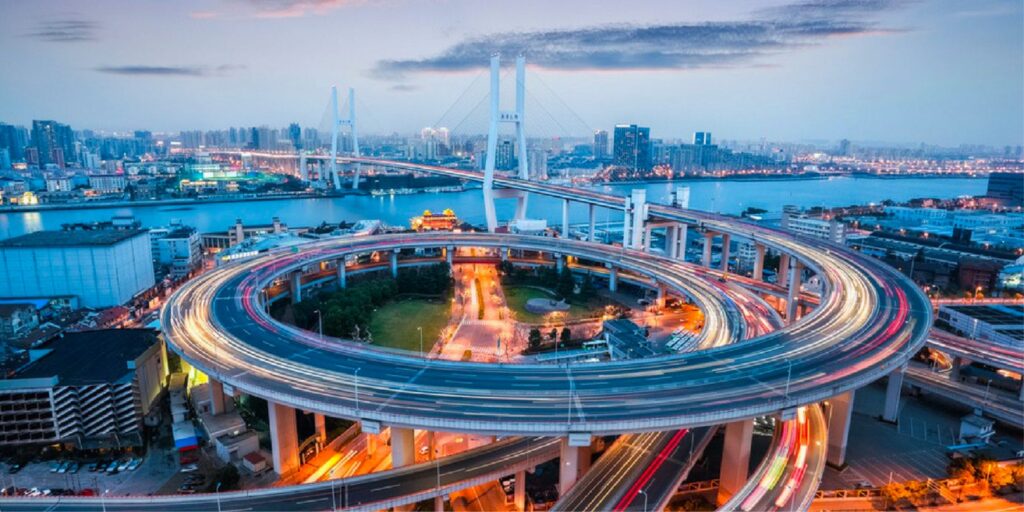

India is going through one of the biggest infrastructure transformations in its history. Roads are getting wider and faster. Railways are becoming modern, efficient, and safer. Cities are changing with new metro lines, airports, housing projects, and smart urban planning. In 2025, infrastructure development is not just about construction. It is about improving daily life, boosting economic growth, and connecting people better than ever before.
This blog explains how major infrastructure projects are transforming India’s highways, railways, and cities, and what this means for ordinary citizens, businesses, and the future of the country.
Why Infrastructure Matters for India
Infrastructure is the backbone of any economy. Good roads reduce travel time. Strong rail networks move people and goods efficiently. Well-planned cities improve quality of life. When infrastructure improves, businesses grow, jobs are created, and regions develop faster.
India’s growing population and economy need modern infrastructure. In response, the government has focused heavily on large-scale projects that improve connectivity, logistics, urban living, and sustainability.
Highway Expansion: Building Faster and Safer Roads
India’s highway network has expanded rapidly in recent years. Expressways and national highways are now connecting cities, towns, and industrial zones more efficiently.
The National Highways Authority of India is leading many of these projects. New expressways are designed for high-speed travel, reduced congestion, and improved safety.
Key changes in highways
Modern highways now include better road quality, proper lane markings, service roads, rest areas, and advanced toll systems. Electronic toll collection has reduced waiting time and fuel wastage.
Long-distance travel that once took many hours is now much faster. This saves time for families, transporters, and businesses. Faster highways also help farmers and manufacturers move goods quickly to markets.
Highway development has also boosted real estate and job opportunities in areas close to new roads.
Expressways and Economic Corridors
Expressways are playing a major role in reshaping travel across states. These roads are built for speed, efficiency, and long-distance movement.
Economic corridors link industrial hubs, ports, and logistics centers. They reduce transportation costs and improve supply chain efficiency. This helps Indian products compete better in domestic and global markets.
For the middle class, expressways mean quicker weekend travel, better access to jobs, and easier relocation between cities.
Railways Modernisation: A New Era for Train Travel
Indian Railways is one of the largest railway networks in the world. In recent years, it has entered a phase of modernization focused on speed, safety, and passenger comfort.
The Indian Railways has introduced upgraded trains, modern stations, and improved track infrastructure.
Faster and modern trains
New semi-high-speed trains have reduced travel time between major cities. These trains offer better seating, cleaner coaches, improved safety systems, and modern amenities.
Track upgrades and better signaling systems have increased efficiency and reduced delays. Electrification of rail routes has improved energy efficiency and reduced pollution.
For daily commuters and long-distance travelers, rail travel in India is becoming more reliable and comfortable.
Station Redevelopment and Passenger Experience
Railway stations are no longer just transit points. Many stations are being redeveloped into modern hubs with better waiting areas, clean facilities, food courts, lifts, escalators, and digital information boards.
This transformation improves passenger comfort and creates commercial opportunities. Stations are becoming centers of activity that support local businesses and employment.
For millions of passengers who depend on trains daily, these improvements significantly enhance travel experience.
Dedicated Freight Corridors: Powering Industry and Trade
One of the most important railway infrastructure developments is the creation of dedicated freight corridors. These corridors are designed only for goods trains.
Separating passenger and freight traffic improves speed and reliability for both. Freight corridors help industries move raw materials and finished products faster and at lower cost.
This improves logistics efficiency and supports manufacturing growth. It also reduces pressure on roads by shifting freight transport to railways.
Urban Transformation: Cities Are Changing Fast
India’s cities are growing rapidly, and infrastructure projects are reshaping urban life. Metro rail systems, flyovers, urban roads, and smart city initiatives are improving mobility and living standards.
The Ministry of Housing and Urban Affairs is driving many urban infrastructure programs focused on sustainable and inclusive growth.
Metro Rail Networks: Redefining Urban Transport
Metro rail systems have become a key part of urban infrastructure in major cities. They offer fast, affordable, and environmentally friendly transport.
Metro networks reduce traffic congestion, lower pollution, and save time for commuters. Office workers, students, and daily travelers benefit from reliable and predictable travel.
As metro networks expand to more cities, public transport usage is increasing and dependence on private vehicles is reducing.
Smart Cities and Urban Development Projects
India’s smart city initiatives focus on improving basic services such as water supply, waste management, street lighting, public transport, and digital governance.
Smart traffic systems, CCTV monitoring, and online citizen services are improving safety and convenience. Urban planning now focuses more on sustainability, green spaces, and efficient land use.
These projects aim to make cities cleaner, safer, and more livable for residents.
Airports and Aviation Infrastructure
India’s aviation sector has also seen major infrastructure growth. New airports and expanded terminals are improving air connectivity across regions.
Modern airports support tourism, business travel, and cargo movement. Improved regional connectivity allows smaller cities to connect directly with major hubs.
For businesses and professionals, better aviation infrastructure reduces travel time and opens new opportunities.
Infrastructure and Job Creation
Large infrastructure projects generate employment at multiple levels. Construction creates jobs for skilled and unskilled workers. Supporting industries such as cement, steel, logistics, and services also benefit.
Once projects are completed, improved connectivity supports long-term job creation by attracting investment and encouraging industrial growth.
This makes infrastructure development a powerful tool for economic development.
Impact on Real Estate and Regional Growth
Infrastructure development often leads to rapid growth in surrounding areas. Property values increase near highways, metro stations, and industrial corridors.
New townships, commercial hubs, and residential projects emerge around major infrastructure projects. This supports balanced regional development and reduces pressure on overcrowded cities.
For families, better infrastructure means more housing options and improved quality of life.
Sustainability and Green Infrastructure
Modern infrastructure projects increasingly focus on sustainability. Use of renewable energy, electric transport, rainwater harvesting, and green building practices is growing.
Rail electrification and metro systems reduce carbon emissions. Better roads reduce fuel wastage caused by congestion.
Sustainable infrastructure ensures long-term benefits for both the economy and the environment.
Challenges in Infrastructure Development
Despite progress, infrastructure projects face challenges. Land acquisition, environmental concerns, funding constraints, and project delays can slow development.
Coordination between central, state, and local authorities is critical. Technology, transparency, and strong project management are essential to overcome these challenges.
Public cooperation and awareness also play a role in successful execution.
What This Means for Everyday Indians
For ordinary citizens, infrastructure development means shorter travel times, safer roads, better public transport, cleaner cities, and improved access to jobs and services.
Farmers get better market access. Students reach colleges faster. Patients access hospitals more easily. Businesses operate more efficiently.
Infrastructure directly improves daily life in visible and meaningful ways.
Conclusion: Building the Foundation for India’s Future
India’s highways, railways, and cities are undergoing a historic transformation. Massive infrastructure investments are improving connectivity, boosting economic growth, and reshaping how people live and work.
While challenges remain, the long-term impact of these projects is overwhelmingly positive. Better infrastructure lays the foundation for a stronger economy, inclusive growth, and improved quality of life.
As these projects continue to take shape, India moves closer to becoming a more connected, efficient, and future-ready nation.